Chapter 1 explained why the F10 530d is so addictive. This chapter deals with the reason we inspect an N57 so carefully before celebrating.
The engine can be magnificent. The maintenance mistakes can be ruinous. Here is where we would spend money first, what we have seen at Code6, and how the car quietly tells you when the temperature management is running out of headroom.
The N57: A Mechanical Masterpiece With a Death Wish
Let's get one thing straight. The N57 is a spectacular engine. It's refined, powerful, economical when driven sensibly, and delivers a driving experience that makes most four-cylinder diesels feel like agricultural machinery.
But there's a catch. It's also an engine with an alarmingly long list of potential failures.
Rod bearings? Check. Timing chains? Absolutely. Oil-cooler leaks? Naturally. Valve-cover leaks? Of course. Injector leakage? Why not?
Fuel-system problems, oil-system concerns, cooling-system complications and numerous other age-related failures? Welcome to the party.
And that's just the beginning. The deeper you dig into the N57, the more expensive the ownership experience can become.
Some of these failures are associated with age and mileage. Others can be aggravated by poor maintenance, incorrect fluids, contamination or excessive operating temperatures. And some simply require careful diagnosis before blaming the engine itself.
But there's one area where we refuse to compromise: engine oil.
Change Your Oil or Change Your Engine. Your Choice.
BMW's Condition Based Service system can permit fairly extended engine-oil intervals. And while those intervals represent the manufacturer's servicing strategy, we don't recommend stretching them on an ageing N57 operating in Indian conditions.
At Code6, our recommendation is simple: change the engine oil and filter every 5,000 km, or sooner when operating conditions justify it.
Not 10,000 km. Not whenever the dashboard finally gets around to asking for an oil change. Five thousand.
And use a genuine, appropriately specified BMW Longlife-04-approved oil. Nothing else gets our recommendation for the DPF-equipped N57 applications we're discussing.
BMW LL-04 is a low-SAPS oil specification designed to meet the engine's requirements while helping protect emissions components such as the diesel particulate filter. Using an unsuitable oil can contribute to premature DPF ash accumulation, in addition to introducing potential lubrication concerns.
And if you think engine oil is expensive, ask BMW for a replacement DPF quotation. You'll suddenly develop a deep appreciation for maintenance.
In markets and applications where an emissions-compliant replacement is required, fitting the correct DPF is the proper repair. Removing emissions equipment is not a legitimate substitute for preventive maintenance.
Timing Chains and Rod Bearings
Now for the expensive part. The N57 has a reputation for timing-chain problems and bottom-end failures. Chain wear can involve the chain itself, tensioners, guides and associated components.
Poor lubrication can aggravate these issues, although not every failure can be blamed solely on extended oil-change intervals.
Then come the rod bearings. And when those decide they've had enough, you're potentially looking at major internal engine damage.
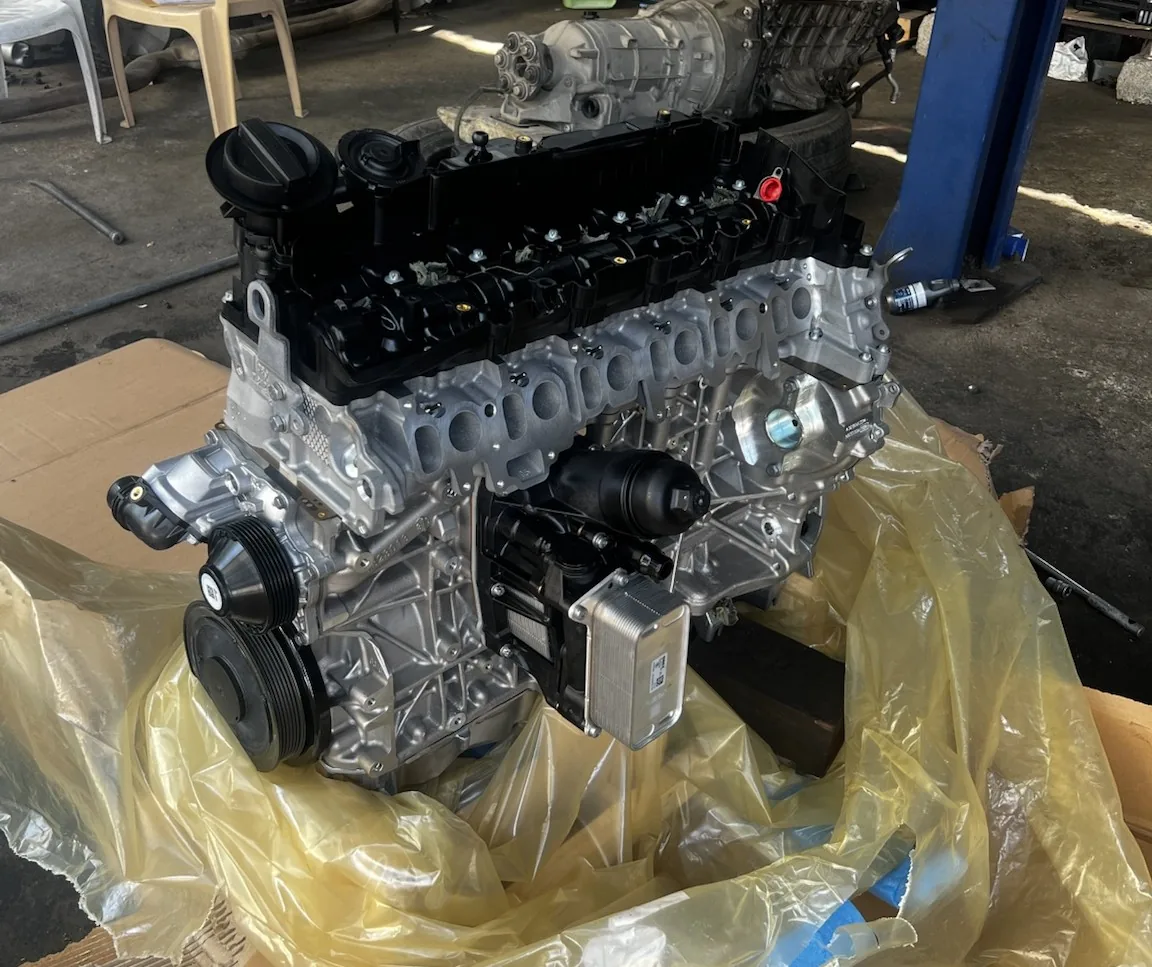
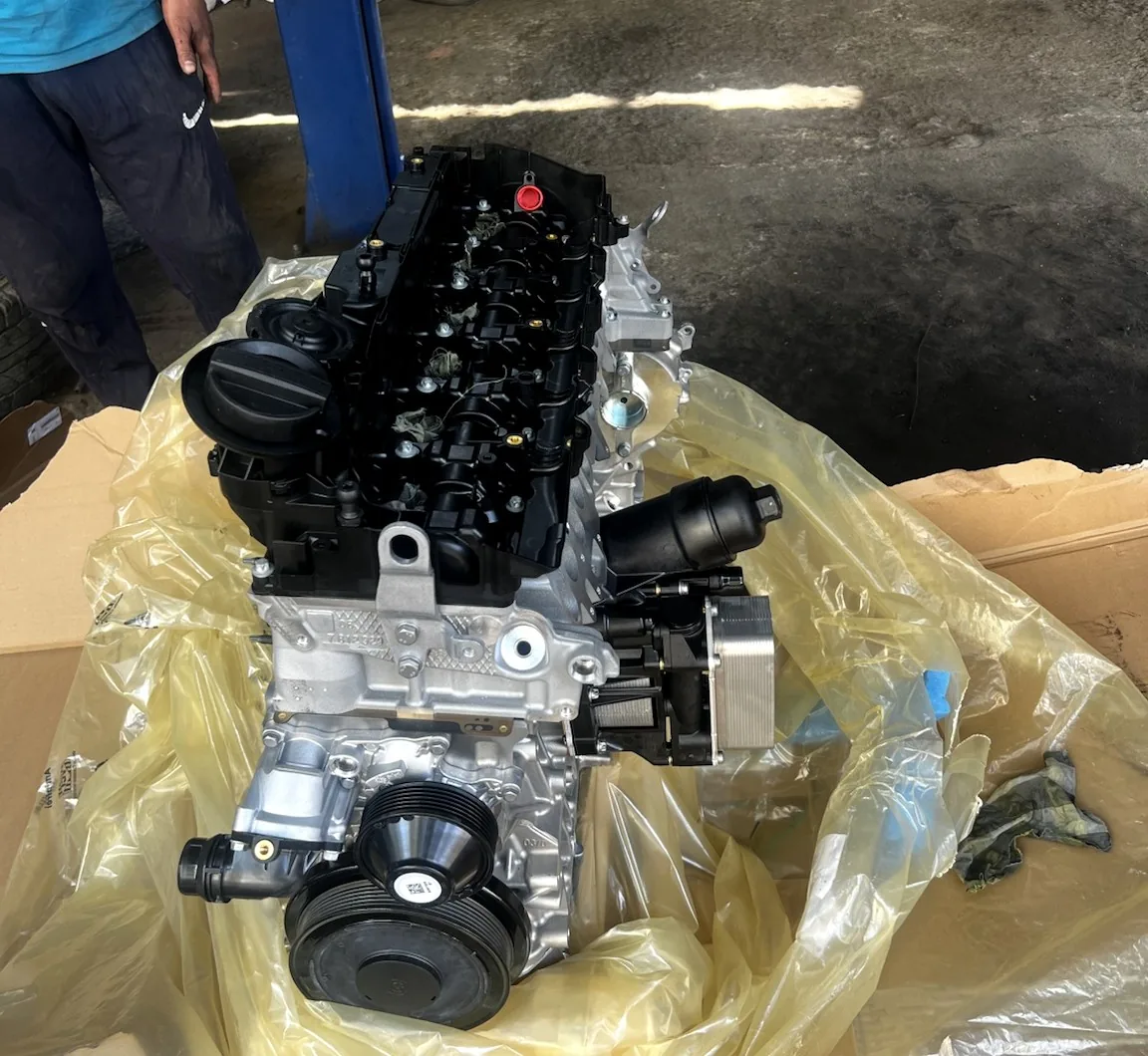
We've replaced multiple N57 engines at Code6. In our experience, a complete replacement engine assembly without its accessories has cost approximately ₹18 lakh.
Eighteen lakh rupees. Just for the engine. Not the turbocharger, alternator, fuel-system components and everything else surrounding it.
At that point, arguing over the cost of another oil change seems a little ridiculous.
Will changing your oil every 5,000 km guarantee your N57 lives forever? Of course not. But maintaining correct lubrication, addressing cooling problems and investigating abnormal noises or oil-pressure issues promptly gives the engine a much better chance of surviving.
And with this particular engine, we strongly prefer prevention over rebuilding.
The Cooling System: European Engineering Meets Indian Summer
Here's something interesting about the N57. While many manufacturers were still using cast-iron engine blocks paired with aluminium cylinder heads, BMW built the N57 around an aluminium crankcase with cast-iron cylinder liners and an aluminium cylinder head.
The construction reduced weight and provided excellent thermal conductivity while maintaining a durable cylinder-running surface. Quite advanced engineering for its time.
But BMW also designed a sophisticated thermal-management strategy that deliberately maintains relatively high operating temperatures under appropriate conditions. The thermostat doesn't simply open at the first hint of warmth.
The cooling system regulates temperature to balance efficiency, emissions and engine protection. That's all well and good. Until you take a nearly two-tonne diesel sedan and start asking it to deliver sustained performance during a particularly unpleasant Indian summer.
Now things get interesting.
Engine Oil, Coolant and Transmission Oil: One Complicated Relationship
The engine oil uses a coolant-to-oil heat exchanger. The ZF automatic transmission also exchanges heat with coolant through its cooling arrangement.
And the vehicle ultimately needs to reject much of that accumulated thermal energy into the surrounding atmosphere through its cooling package.
These systems aren't thermally independent. Heat from one circuit can influence the others, even though the oil and coolant temperatures aren't necessarily identical and their flow paths are regulated differently.
Under prolonged demanding driving, available cooling capacity becomes particularly important. We've observed exactly this during highway logging.
Engine oil temperatures began climbing, and the overall thermal condition of the drivetrain started moving towards its protective operating limits. Even with the substantial factory cooling hardware, the system can struggle under sufficiently demanding conditions.
When the ECU Quietly Decides You've Had Enough
Modern BMW engine management has multiple protective strategies designed to prevent serious thermal or mechanical damage. When temperatures move outside the desired operating range, the management systems can reduce available torque and alter drivetrain behaviour.
During our highway logging, we observed an intervention involving forced upshifting, accompanied by a shadow diagnostic entry associated with engine-temperature protection.
But what makes this fascinating is how subtly it happens. You don't necessarily get a spectacular loss of power. The car doesn't always throw a dramatic warning across the dashboard. You may simply notice that the engine isn't pulling quite as enthusiastically as before.
And if you're in automatic mode? Good luck figuring out what's going on inside the gearbox's brain.
It's already deciding which gear to use, when to shift and how much torque to request or transmit. So when thermal-protection strategies begin influencing the drivetrain, the changes can blend into the vehicle's ordinary behaviour.
The electronics are essentially telling you: "That's enough horsepower for today. You've had your fun."
And they're probably right. The problem is that an owner might not recognise what's happening.
At Code6, we'd rather diagnose why the vehicle is reaching those temperatures than repeatedly rely on the electronics to protect it. Because an ECU can reduce torque. It cannot magically create more radiator capacity.
The Code6 Maintenance Rule
Use the correct BMW-approved engine oil for the vehicle and emissions hardware. On the DPF-equipped cars discussed here, that means the applicable BMW Longlife-04 approval. Our conservative workshop oil-and-filter interval is 5,000 km, or earlier when operating conditions justify it.
A short interval cannot guarantee a healthy engine, but ignoring abnormal chain noise, oil-pressure warnings, fuel-system problems and cooling faults is an excellent way to turn a small issue into a frightening invoice.
- BMW
- 530d
- F10
- N57
- ZF 8HP