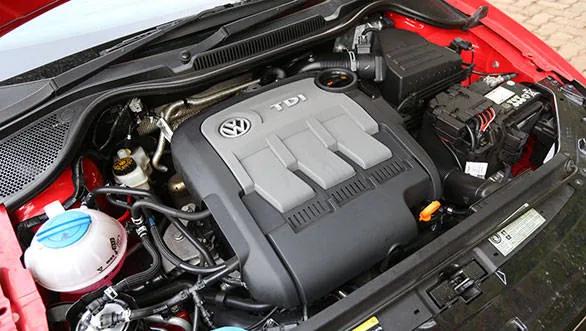
The EA189 common rail 2.0 TDI is a versatile engine. It can make a relaxed daily driver, a strong highway car or the starting point for a much more involved performance build. At Code6, we like it because there are several sensible ways to improve it. The important part is choosing a package that suits the car, its condition and the way it will actually be driven.
This guide covers the common rail EA189 applications familiar to owners of cars such as the Jetta, Laura, Yeti, Superb and Passat. We explain the faults we encounter, the upgrades we consider worthwhile and the drawbacks that come with them. Some examples come from our CLLA Passat development work. They illustrate particular solutions; the correct parts still depend on the vehicle.
The big brother has plenty to offer. It also has enough expensive peripherals to keep a workshop occupied long after the engine itself has finished impressing you.
Identify the engine before choosing parts
The familiar passenger car versions include the following factory outputs. These are examples, rather than every EA189 calibration sold worldwide.1
| Factory version | Factory torque | Familiar gearbox examples |
|---|---|---|
| 110 PS | 250 Nm | Five speed manual in lower output Laura and Yeti applications |
| 140 PS | 320 Nm | Six speed manual in the Jetta and DSG in applicable models |
| 170 PS | 350 Nm | Six speed manual or six speed DSG in applicable Passat models |
PS is metric horsepower. These factory figures should not be mixed directly with wheel horsepower from a chassis dyno. The 2.0 TDI badge also spans different engine generations: an older unit injector engine and a later EA288 need their own assessment. Within EA189, turbochargers, fuel systems, emissions equipment and installations can differ. Confirm the engine code, gearbox code and original part numbers before ordering.
Start with the condition of the car
A remap belongs on a healthy engine. Before tuning, we want a diagnostic scan and an investigation of existing symptoms, followed by a service history check. Timing belt and water pump history, oil and coolant condition, boost leaks, injector operation and fuel pressure behaviour all matter. A fault code tells us where to investigate; it does not arrive with a shopping list attached.
Check the charging system and cooling fans as well. A car with unexplained coolant loss, electrical faults or a gearbox that already slips needs diagnosis before more torque. On a manual, assess the clutch and flywheel. On a DSG, check servicing, engagement, shifting and any stored faults. Tyres, brakes and suspension should be ready for the finished car.
This preparation costs money without producing an exciting power graph. It also helps avoid paying for a tune and immediately discovering which fifteen year old component was already considering retirement.
ECU and DSG calibration
For a healthy daily driver, a sensible Stage 1 ECU calibration on the existing hardware is usually our first performance recommendation. The useful improvement is stronger, more accessible acceleration, with a torque delivery that suits the gearbox and tyres. We aim for clean response and repeatable performance across the useful rev range.
The 140 and 170 PS versions should be assessed individually. The factory output alone does not establish the hardware limit, and the same headline target is not automatically appropriate for both. We check how actual boost and rail pressure follow their targets and look for evidence of temperature or fuel delivery limitations before asking for more.
A properly calibrated DSG can transform the way the package feels. Shift scheduling, torque coordination and clutch control need to work with the engine calibration. Tall geared manuals have their own appeal, especially for relaxed cruising, but a well sorted DSG is a different kind of fun. TCU software changes how the gearbox uses its ratios; it does not change the physical ratios themselves.
For a Stage 2 discussion, define the actual hardware and intended output first. Stage labels vary between tuners, so the parts, calibration and verification matter more than the name. Extra torque places more demand on existing components, and calibration cannot repair a worn clutch, tired flywheel or faulty mechatronic unit. We retain appropriate protection strategies and verify the result under the conditions the car will encounter.
Intake and exhaust changes
A sound original airbox and correctly serviced filter are a reasonable starting point. Our Passat work has included a BMC filter and airbox changes, but we would not promise a large standalone power gain from a filter. Filtration, servicing requirements and the quality of the installation matter alongside airflow. An intake that draws hot engine bay air or creates metering problems can be an expensive way to make the car less consistent.
Our development Passat uses a 2.5 inch downpipe as part of its hardware and calibration package. Exhaust changes can reduce restriction where that restriction is a genuine limitation, but the correct design depends on the turbo, vehicle layout and existing catalyst or particulate filter equipment. Specify hardware that suits the vehicle and its road use requirements.
The drawbacks include fabrication quality, clearance, noise or drone and the need to recalibrate where the hardware changes require it. A larger pipe by itself does not establish a safe boost target or guarantee a particular output.
Turbo and fuel system upgrades
There is a substantial aftermarket for these engines, including hybrid turbochargers, larger turbo kits, injector upgrades, fuel pump conversions, camshafts and cylinder head work. Availability makes the platform interesting, but it does not make every combination a sensible road car. Engine and injector families must be identified before choosing a kit.2
A larger turbo can provide the airflow a higher output build needs. Its compressor, turbine, actuator and housing must suit the intended operating range. The tradeoff can be later response and more installation work. Garrett's matching guidance makes the same basic point: a turbo that is too large can sacrifice response, while one that is too small can prevent the engine reaching its intended output.3
Fuel delivery must then support the airflow. Larger injectors, pump changes or a CP3 conversion can become relevant on a developed build, with calibration to suit. Camshafts and head work belong further into that discussion when airflow through the head becomes a limitation. These parts add cost, setup work and more variables to diagnose; they are not a mandatory shopping list for a daily remap.2
Our Passat development car still uses its original CR170 turbo, providing a useful reference for the supporting hardware discussed here. For an upgrade build, we establish the target, assess the hardware and measure the finished package before publishing an output claim.
Technical references
Factory information and supplier technical guidance supporting this guide. The Code6 workshop cases, physical fin count, installation examples and sourcing budget are our own observations. Match every part and procedure to the actual vehicle.
- Volkswagen
- Skoda
- 2.0 TDI
- EA189
- DSG
- DQ250